
School is out here in the desert. The last day was the day before Memorial Day weekend. So let’s talk for a minute about my hero Lucy. Let’s talk about how to get through your sophomore year with low vision like a champion.
This is not for the weak of heart I tell you. It’s been a rough year for this girl.
I know from the outside you’d know that trying to get through school with low vision would be difficult. I mean, you can imagine that not being able to see assignments and tests would be laborious and stressful.
But until you’re in the middle of it, it’s hard to comprehend the details of how deeply arduous it is.
Low Vision Aids
Sure, Lucy has a magnifier that she’s now using constantly and that helps.
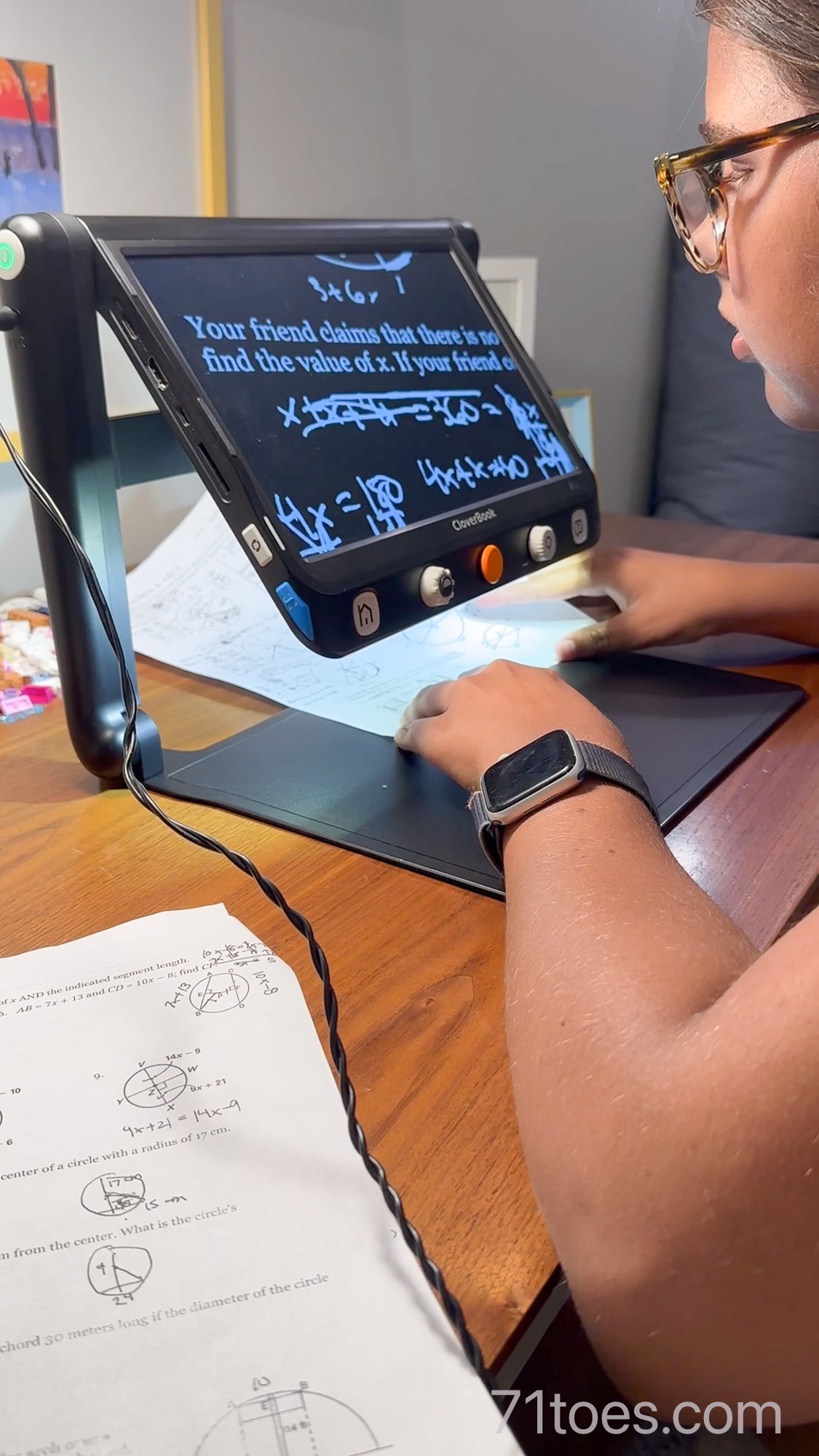
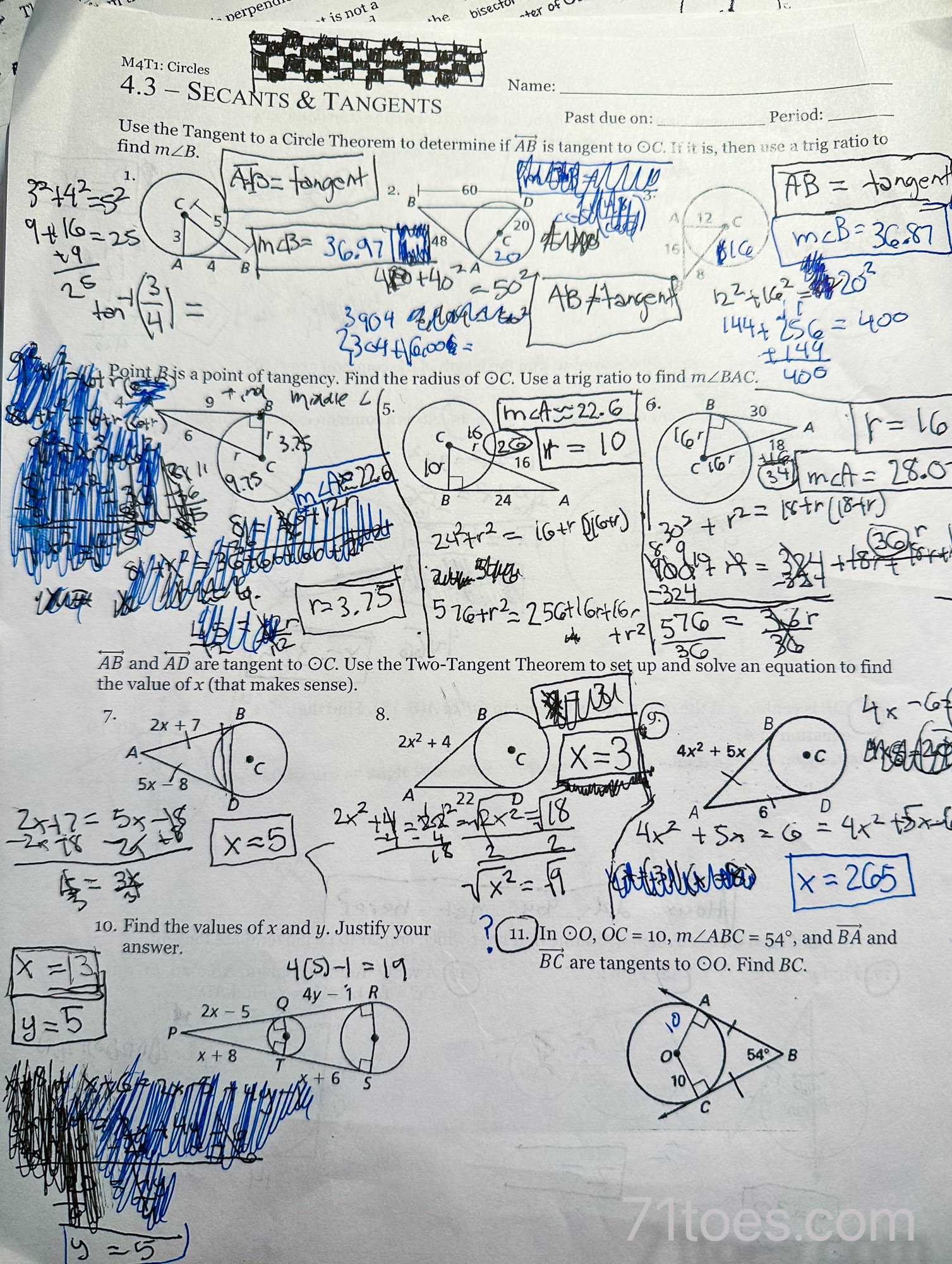
But most assignments are on the computer. And the ones that aren’t look like that up there on the right. Phew!
She has a special touch-screen computer, but she has to enlarge everything so huge in order to see it, that there are only a handful of words on the screen at a time. Every time I work with her I’m completely baffled at how she has any idea how to find anything. Even when the words are enlarged, the tabs are still tiny. The assignment lists are so difficult to find. The little tabs to turn in assignments get so lost.
Also, there is lots of group work done in school. I’m sure for most kids this is fantastic. But when a group of kids are reading and supposed to be taking notes, you shy away from that business when you can’t see to take notes, let alone see to read your section of text.
There is so much reading in school. And when you can’t see the words, and your computer is supposed to “read” them to you in a very robotic voice that’s tough to understand. And you have to shuffle through your backpack to find your earphones so as not to disturb your classmates…which is kind of embarrassing when no one else has to do that. I mean, you just want to be a regular kid after all.
So you end up keeping to yourself and deciding you’ll just catch up when you get home.
Get a tutor
And then you get home and realize that you have mountains of work from every class, and you work from the time school gets out until late to try to catch up. And your mom and dad definitely don’t know how to do your math, for crying out loud. So luckily you have the BEST tutor who comes from down the street at a moments notice to help you.
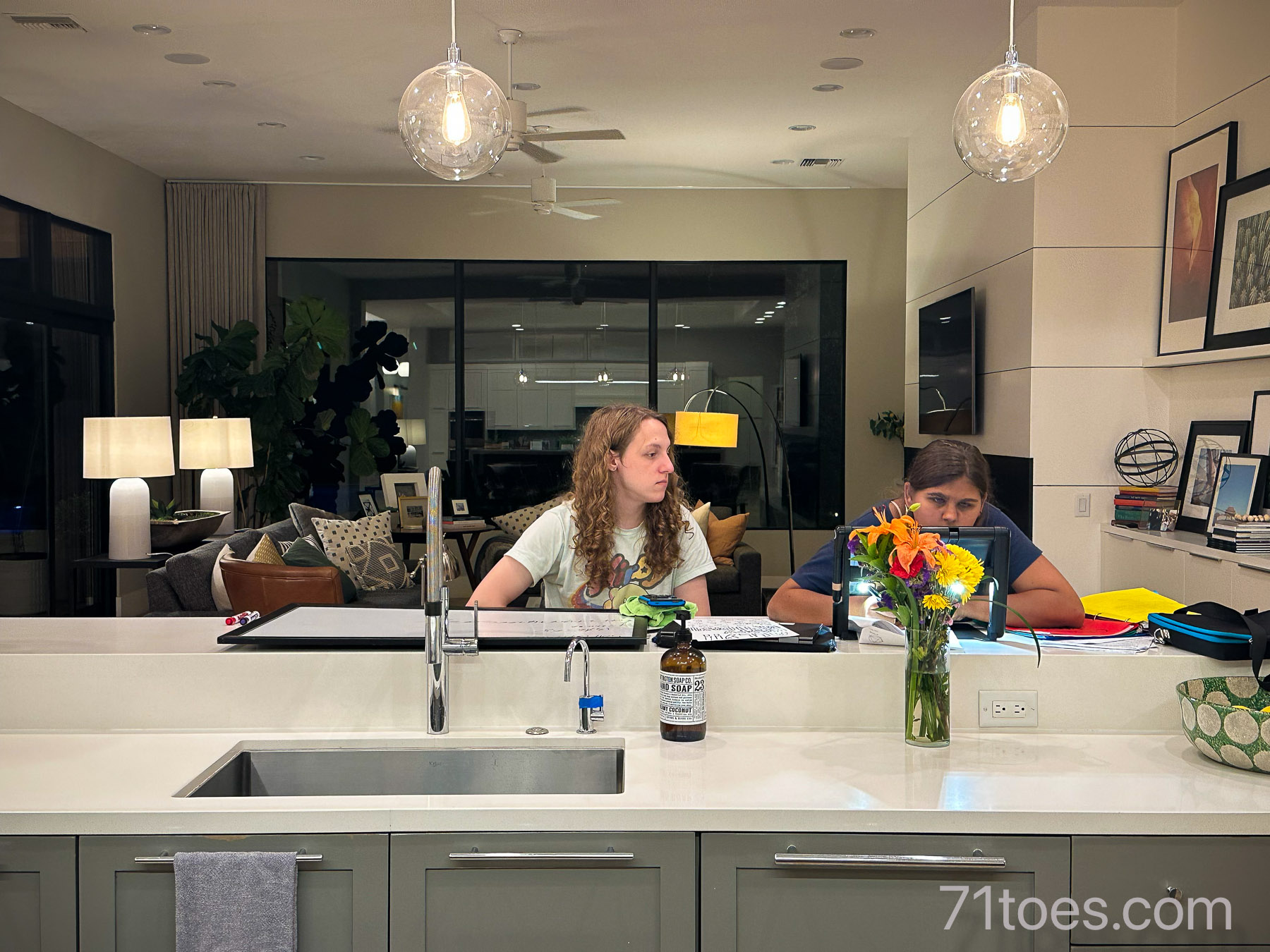
And you feel so grateful that he can come from nine until 11 on that last night before your final, patiently explaining everything to you on his whiteboard.
Phew. It really is so tricky and my heart simultaneously aches and celebrates Lu. This girl who works her tail off to learn and grow and be the best student she can be.
Surround yourself with good friends
Lucy doesn’t get to hang out with friends as much as she would love to. She’s up all night with homework so doesn’t have much time, but also interests have just changed so much over the years!
But that girl has the sweetest friends surrounding her. One of my favorite blessings from this year has been the high school carpool. See those girls in the back? They are pretty dear I have to say. And one of the dearest who has known Lucy for so long wasn’t there the day I took this picture.
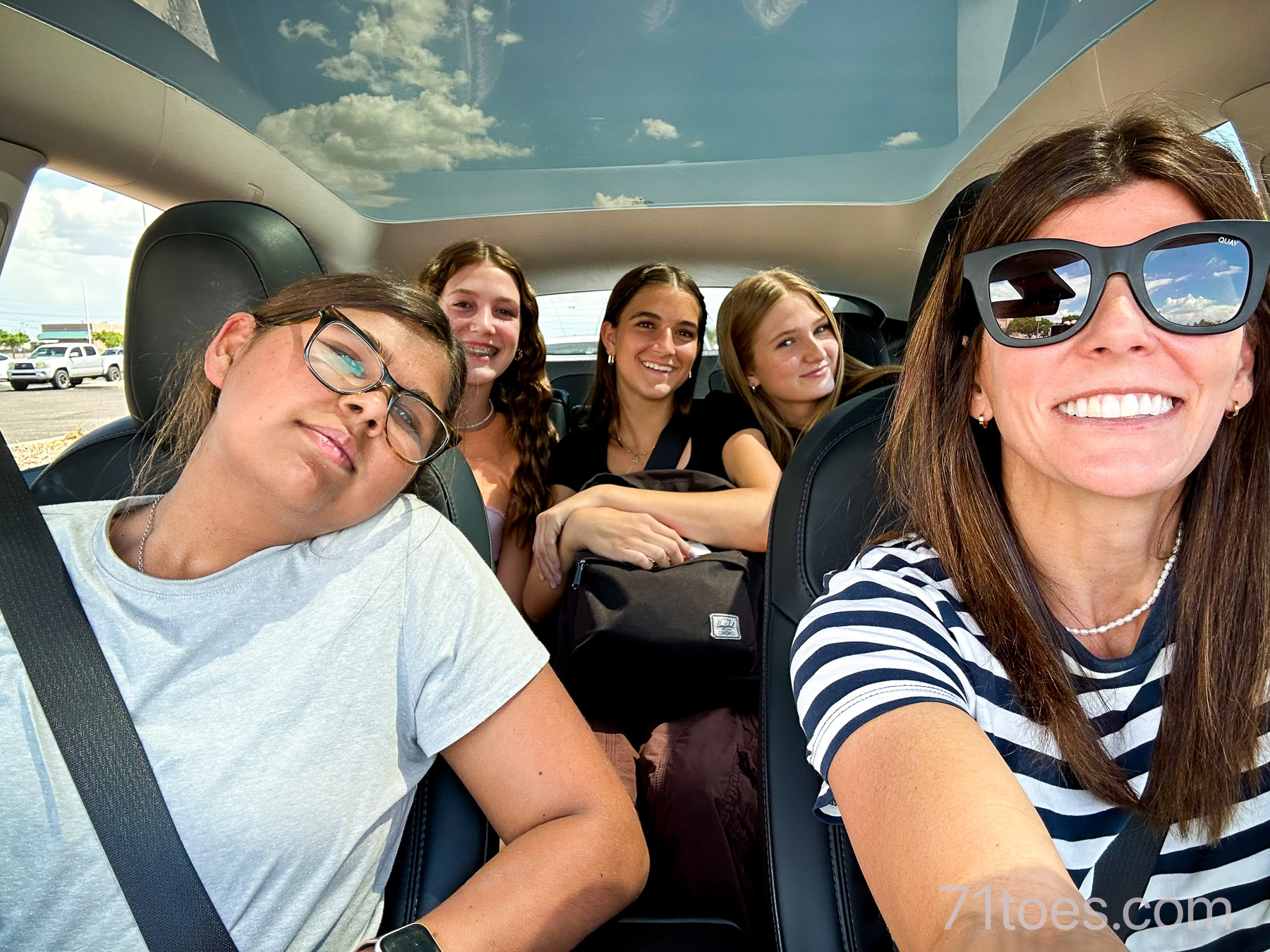
There was one day at the end of the year when I dropped the girls off, and they all spilled out of the car. One of them stopped and waited for Lucy to wrangle in all her stuff together to walk in with her. It wasn’t like she’s never done this before, she does it pretty much every day (they are all just the best girls). But for some reason, maybe because I was already emotional about Lucy and all these end-of-the-year things that are so difficult for her to maneuver, I just started crying.
And crying.
I called this girl’s mom to tell her how much I love her daughter, and we both had a good little cry together that our girls are friends. These girls have been Lucy’s cheerleaders ever since they were tiny. So grateful for good friends to help you get through the tough stuff.
The Last Days of Sophomore year
I helped Lucy finish a huge English project only to find that the format she chose wouldn’t be accepted. We were both so bleary-eyed wishing to be done, but started anew on another try.
She worked her tail off on another go: the “ABC”s of freedom. Dave and I stayed up late to help her color with very particular instructions (she would have been up literally all night long without our help).
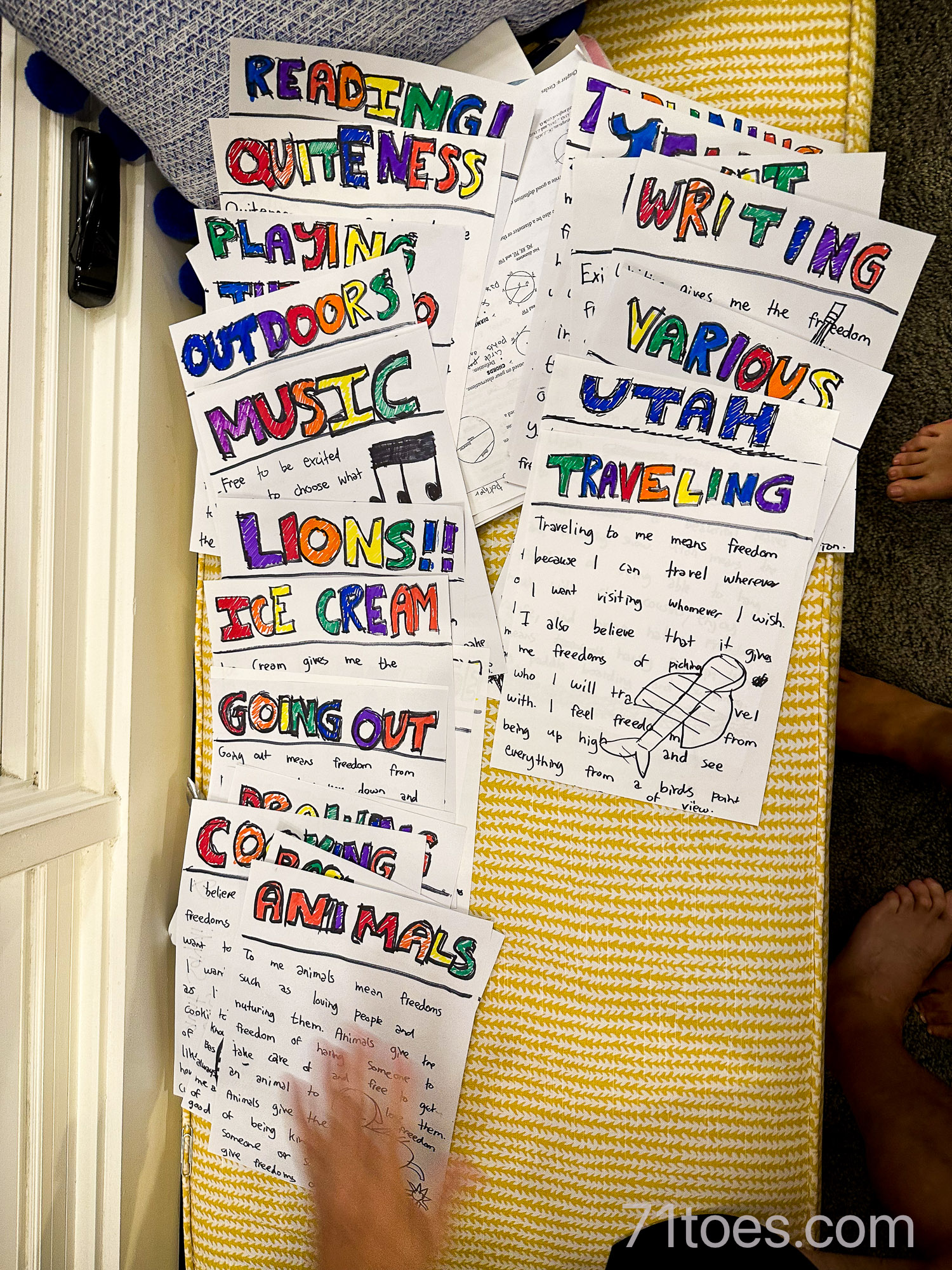
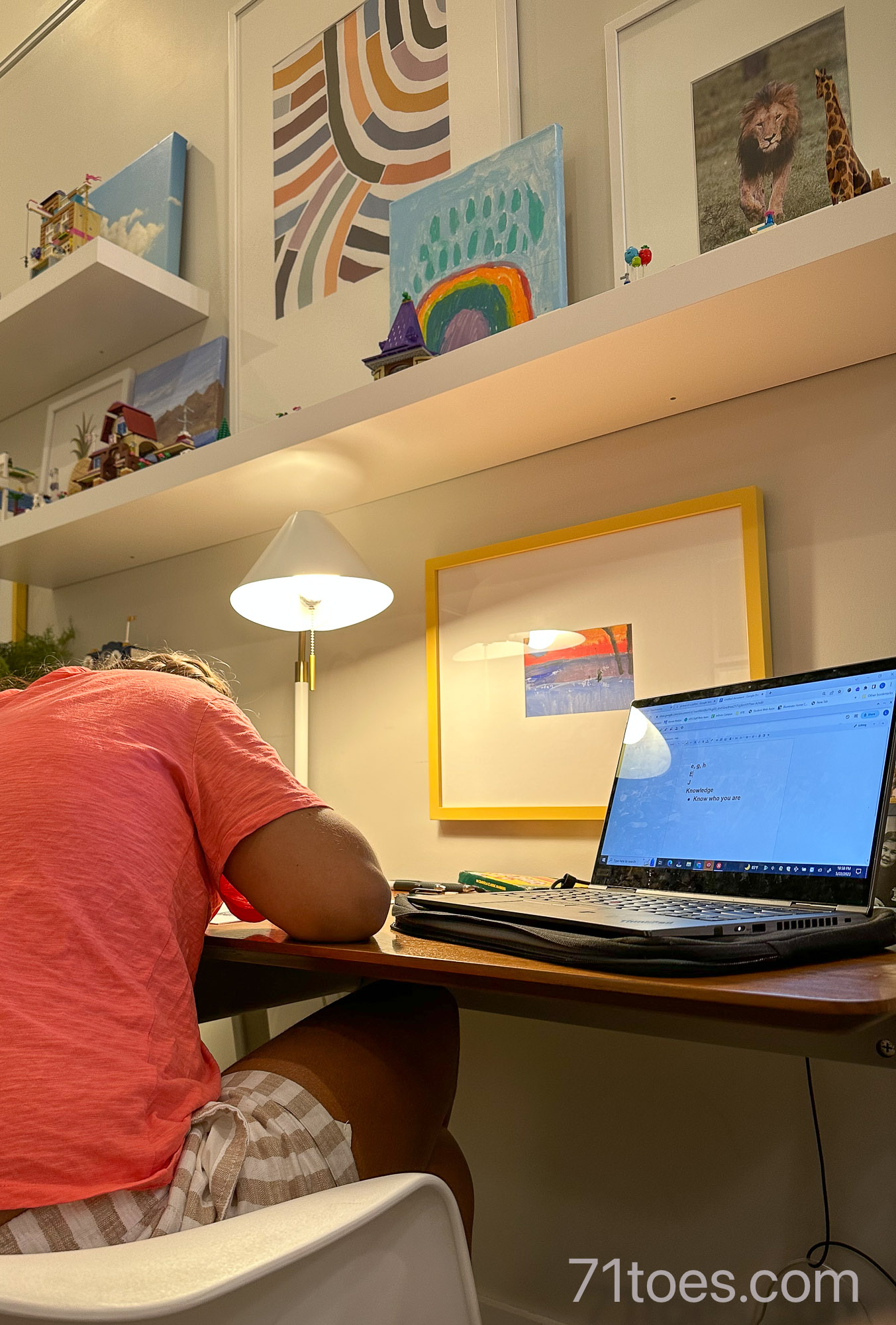
I stayed up after that to email and connect with all of Lucy’s teachers after that. Those teachers are the best ever. They genuinely want to help. But no one can know how difficult it is for her to maneuver all the things the sighted kids can do so easily. She is really, really struggling and she works so hard.
But she FINISHED that as well as her culinary project and her chemistry project, and about a million other things.
And she was DONE!
The kids all started gathering in Newport a couple days before the last day for the beginning of our little Family Reunion. More about that soon, but mentioning right now because it was down to just me and Lucy that last day of school.
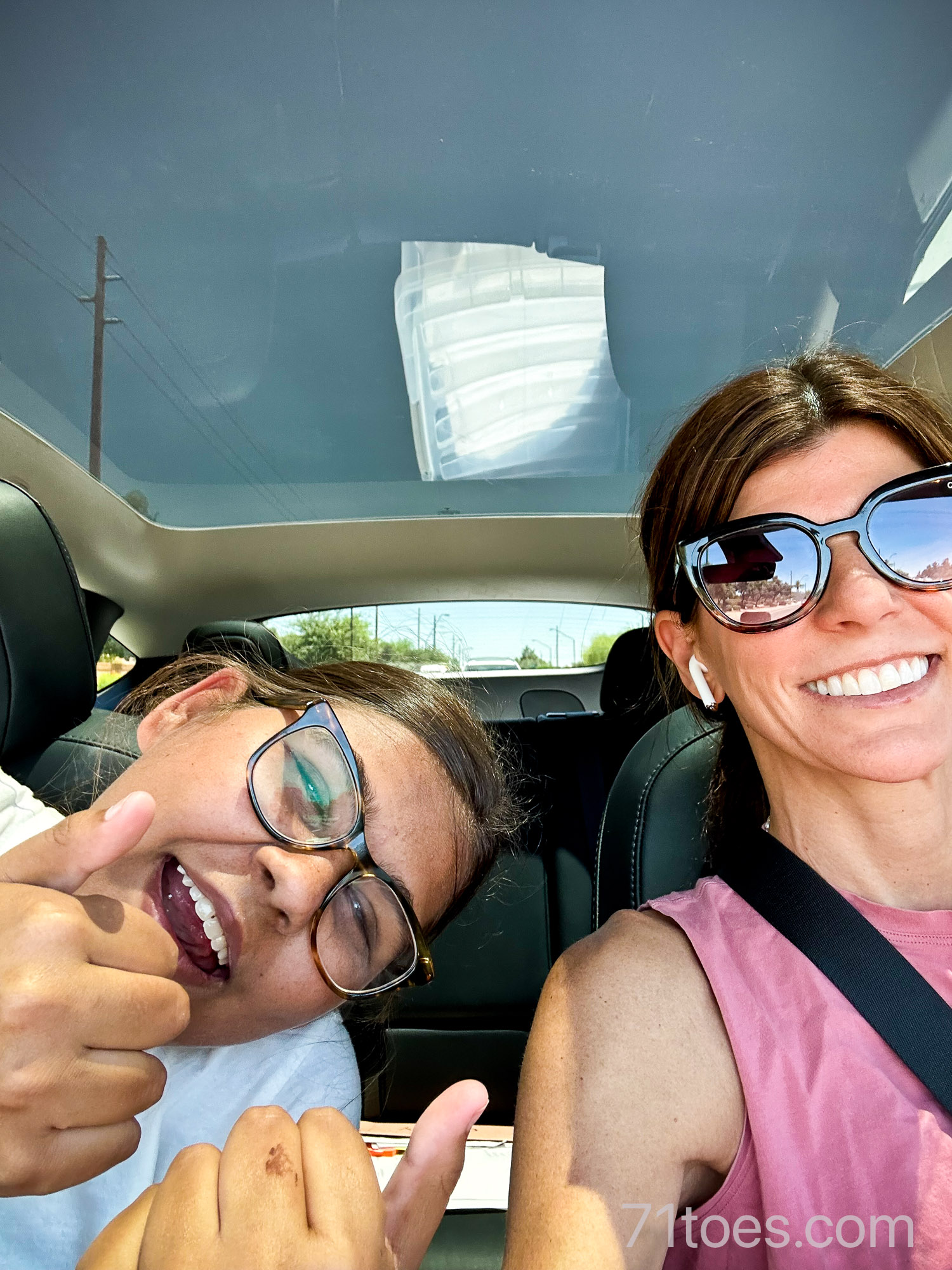
It was a pretty happy one. I mean, check out that face:
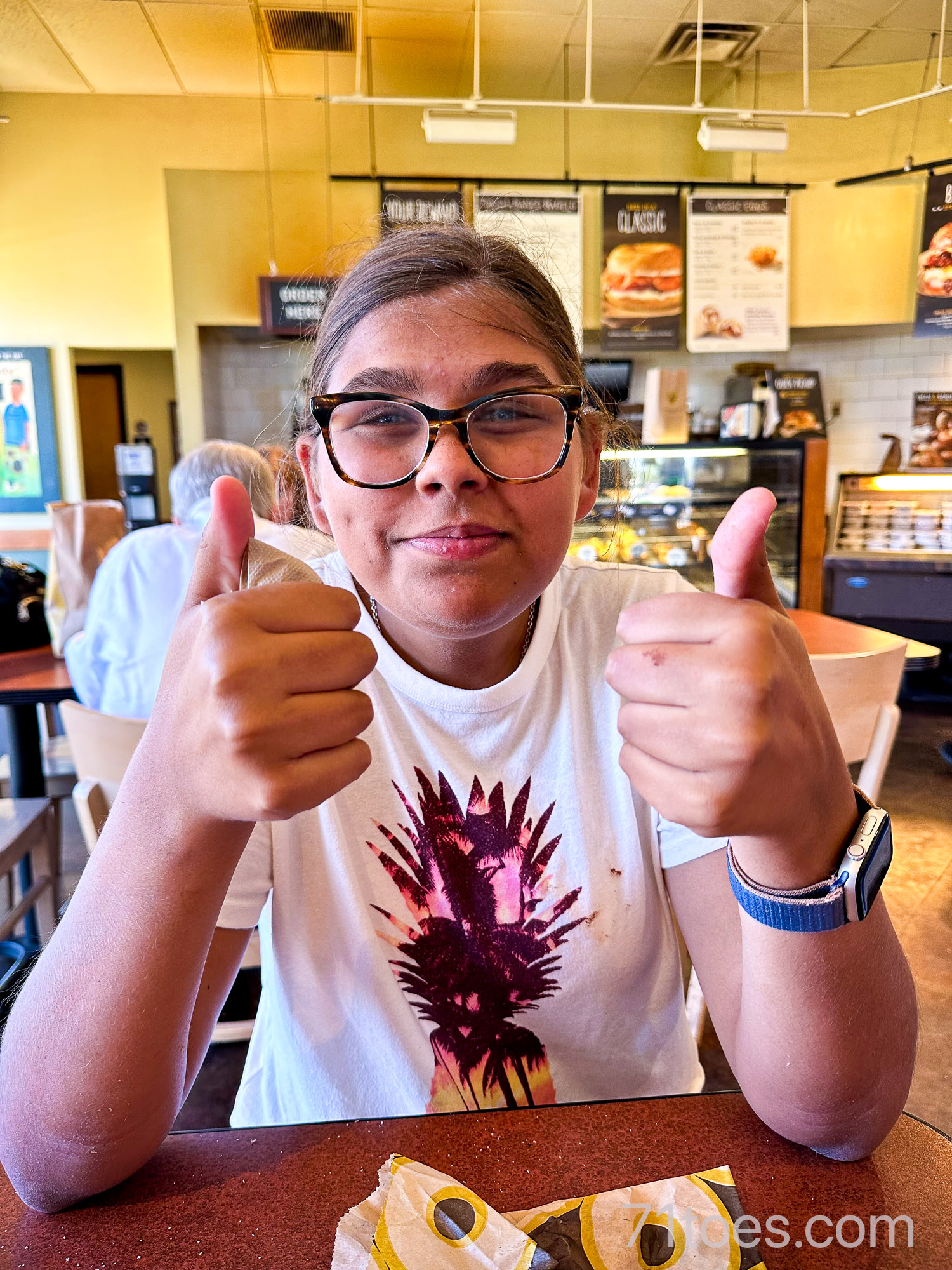
We celebrated at her favorite spot.
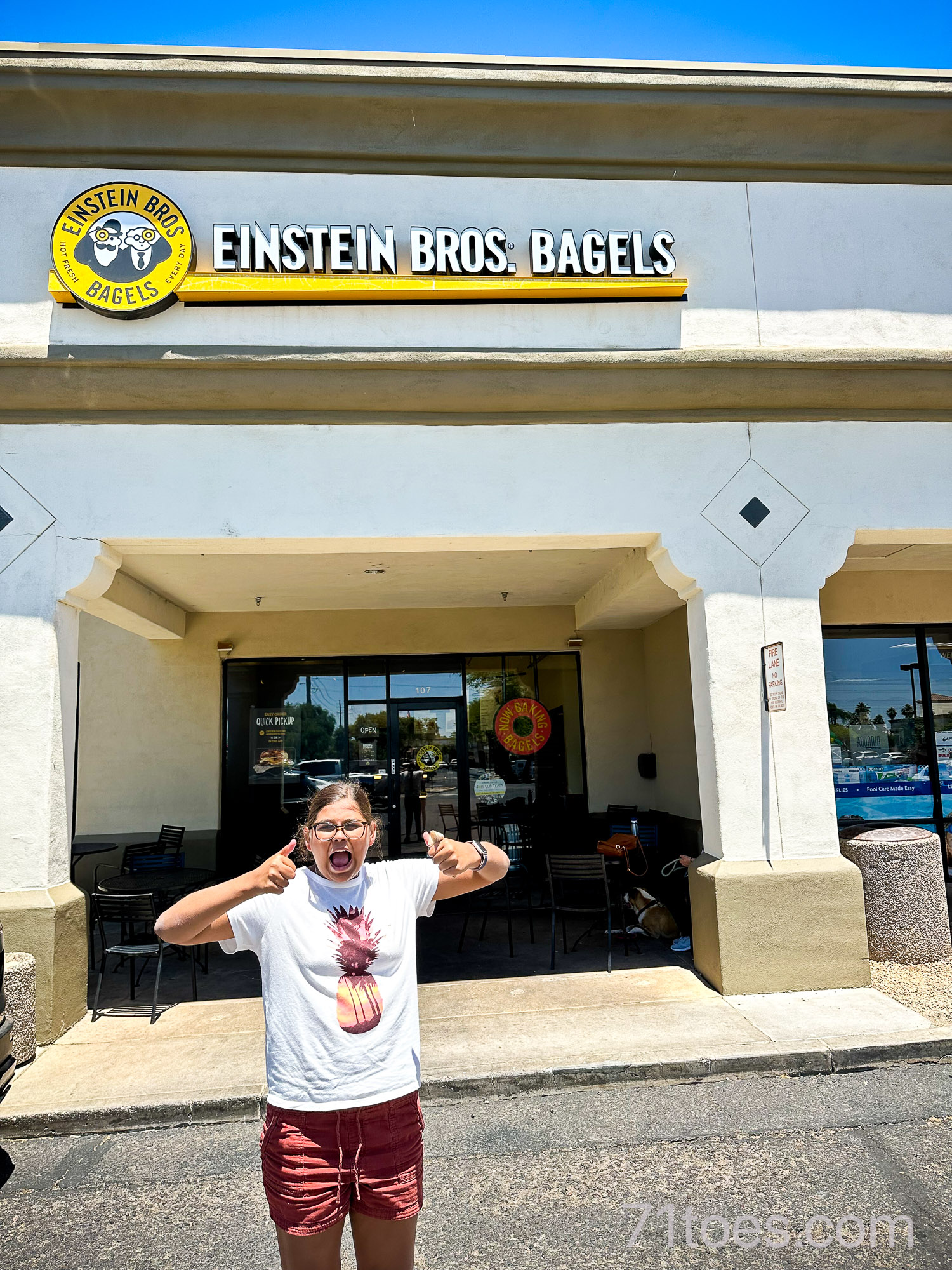
We helped Jo and the kids clean out their house that last day, then Lu and Elsie went to a movie. That night we had a last dinner with Jo and kids, and then, headed on our way to meet up with the rest of the family.
Have Family Support
Maybe the very best way to get through your sophomore year with low vision is to have a bunch of brothers and sisters who love you with all their hearts.
When we arrived to join them all, this is how they welcomed her:
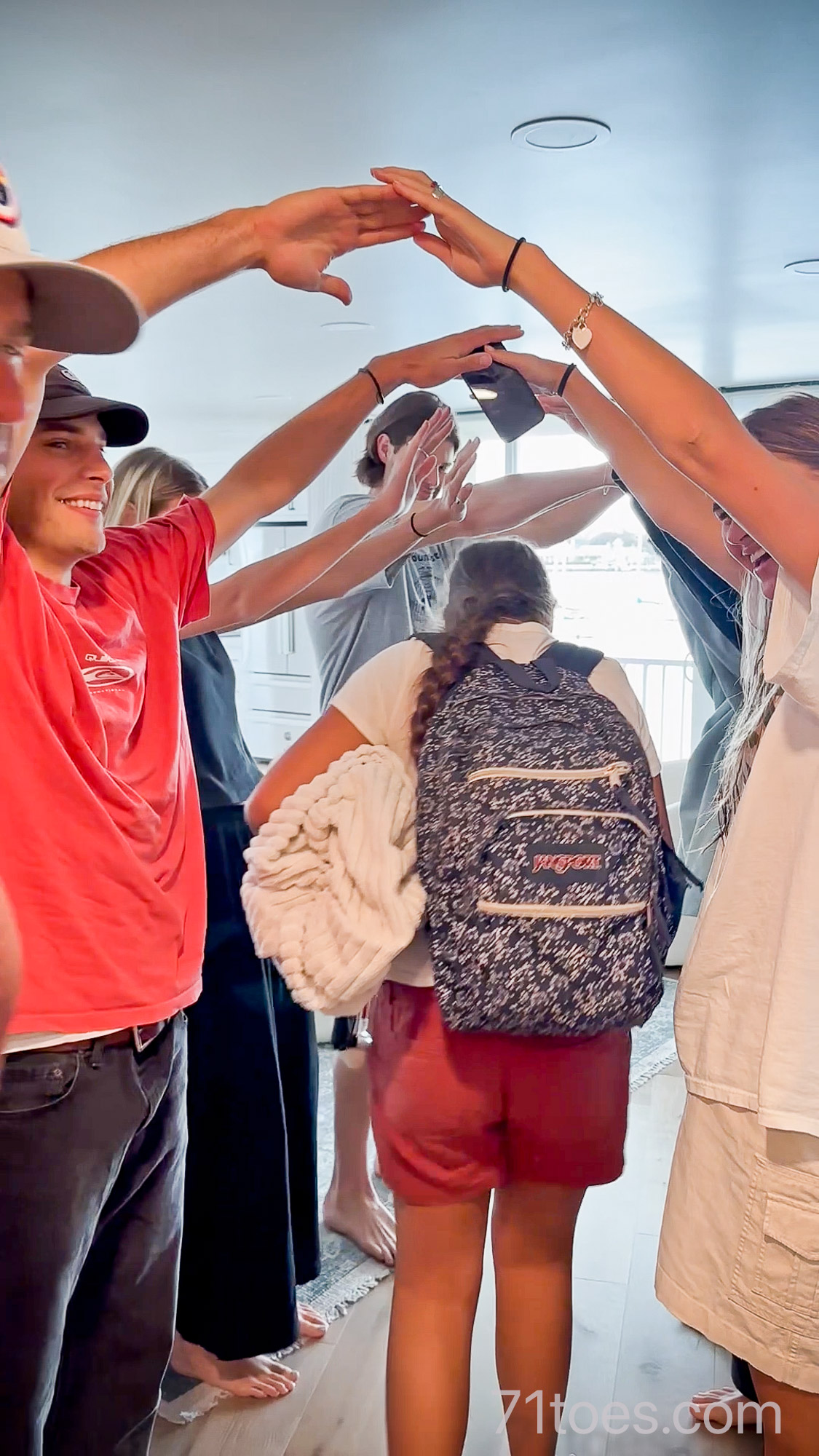
A grand celebration for a job well done.
You are amazing Lucy!
On to Junior year!!
Way to go Lucy, you are such an inspiration and example. You enjoy your summer!!
Shawni, you are an amazing mom❤️
Thank you Heidi!
Welll done to Lucy. x She certainly worked hard.
I hope she’s enjoing having a break, she certainly deserves it. x
Just curious, don’t kids in the US walk to school like they mainly do in the UK?
Forgot to say, the subscribe to comments thing still isn’t working.
Dang it, thank you for letting me know. I’ll see if my brother knows how to fix that.
Hey Julie! It depends how close their schools are. Neighborhood elementary schools and even junior high schools tend to be quite close, and our kids always walked or rode bikes to those. But since high schools take in a larger grouping of kids (our high school has nearly 4,000 kids), it is further away for some kids. There are also lots of charter schools here in the desert so families tend to drive further for those.
Do all ages of kids generally walk to school in the UK? I remember always walking when we lived there, but I can’t imagine all schools being close enough to walk?
Hi Shawni,
Thank you for answering my question.
Wow, I didn’t realise that some US schools are so huge.
I think some children in primary school (Ages 7 – 11) walk to school or their Mum & Dad take them & pick them up.
In secondary school (11 – 16/18) a lot of them walk to school or get a bus. Sometimes their Mum or Dad often gives them a lift.
I find it interesting to learn about schools in different countries.
I‘ve been following Lucy‘s story for what feels like years. There are two things I‘ve been wondering about, so if you are ever looking for a topic for a blog posts.
What are your tips on balancing the special needs of one child with the interests of the other, family traditions… you mentioned changing hiking to biking on your birthday, but also still going skiing/to Peru with the rest of your kids. We have similar issues (and I guess in one form or other lots of families and other groups) and I guess at the end its always a case by case decision but as you seem to put a lot of thoughts in parenting it would be interesting to hear your ideas on adapting as a family.
As I live in a country where including special needs students in schools is a newer concept, it would be interesting to hear your thoughts on how it works in practice. I‘ve always been extremely pro inclusion but sometimes hearing Lucy‘s story I feel there are still a lot of obstacles (sometimes literally) and I wonder if having classes with students with similar issues would make life easier. Or a music teacher who is used to teaching blind students, e.g. there is braille for music scores. In the deaf community there seems to be a strong movement to keep their language, culture etc alive and giving the people the chance to be immersed in it, is it similar in the blind community?
I have wondered the same about both of these things! If you & Lucy are ever comfortable sharing, I would love to read more about choosing a traditional public school vs a blind school.
Chaun, see my comment below. Perhaps Lucy will change her mind one day, but for now she wants with all her heart to stay at her traditional school.
Great questions Emy. I’d love to do blog posts about these some day, but for now I’ll answer quickly here:
I think you’re right that having a special needs child and his/her needs will vary greatly from family to family. I think our “pendulum” has swung back and forth over and over trying to find a balance. We try to cater to Lucy in every way we can, but then we realize that sometimes that hurts the older kids. So we swing back. And then we get really worried about Lucy. So we swing back again and make sure everyone is rallying around her (which I think they’re so good at!) We have realized that just because Lucy doesn’t enjoy so many of the things the other kids enjoy we need to take everyone into consideration. This is why we have started separating for trips and catering to Lucy’s needs as they continue to change.
As far as the school thing goes, it would be so wonderful to have classes with kids with the same issues. But it’s so complicated because first off, there are only a handful of kids with Lucy’s similar vision loss in our district. There is a school for the blind, but Lucy isn’t ready for that yet. She thrives on being in the same school where her siblings were, and she is pushing with all her might to keep up with everyone there. She would be devastated at this point if we tried to switch her.
We are sure trying to push into the blind community though. As we speak, Lucy is at a camp for blind kids who are trying to learn working skills. It is a pretty miraculous opportunity and I’ll be posting about it next week.
We are continually on the lookout for more blind community friendly things, so please let us know if you hear anything or have any advice! Also, music teachers. Braille music scores for singing would be awesome (but quite cumbersome, Braille makes things huge), but since you need your hands to play the piano it would be next to impossible to read Braille music notes. There are some other adaptive learning tools for music, (an iPad that you can shift the music with a foot pedal), but at this point since the notes would have to be so huge for Lucy’s vision field and her skills on the piano need a LOT of notes, that wasn’t an option for us.